

Arturo Fuente Hemingway seriesArturo Fuente one of the few cigar lines in the world that can claim to be a double work of art: that of the writer who lends it his name, and that of the torcedores who hand-roll each of its perfectos. Launched in 1983 by Carlos “Carlito” Fuente Jr. as a tribute to Ernest Hemingway, it revived a format the industry thought doomed to disappear—the perfecto—and turned it into one of the most recognizable and sought-after cigars on the global premium market. Even today, every Hemingway cigar is the result of techniques mastered by a handful of specialists whose expertise is not passed down; it is built upon years of daily practice.
Ernest Hemingway and the Cigar: A Literary and Sensory Passion

It would be an oversimplification to say thatArturo Fuente his line of perfectos in homage to a famous author simply because the name “sounds good.” The connection between Ernest Hemingway and the cigar is deep, well-documented, almost philosophical. Hemingway was a passionate smoker—of cigars, pipes, sometimes both in the same day—and this habit invariably accompanied the two pillars of his creative existence: writing and contemplation. In the cafés of Paris, aboard his boat Pilar off the coast of Havana, in the Spanish hills during the Civil War, in the streets of Key West: the cigar was omnipresent in his life, as natural as whiskey or a typewriter.
Cuba held a special place in his world. Hemingway lived in Havana for years, frequenting the region’s tobacco plantations, knowing the tobacco farmers by their first names, and smoking the first batches of Havana cigars that his friends set aside for him. When Carlito Fuente sought a cultural reference for his line of Dominican perfectos—a series born of the conviction that the art of the figurado cigar deserves to be preserved—Hemingway’s name stood out as the obvious choice. There is something in Hemingway’s world that resembles the art of the perfecto: a way of containing much in little, of seeking the essential, of accepting that form is as important as substance.
Carlito takes this tribute a step further by giving each cigar in the series a name with literary resonance. The Short Story, the Classic, the Signature, the Work of Art, the Masterpiece, the Best Seller —each name evokes a stage in a writer’s career, a progression in the body of work as well as in the size of the cigar. It is a narrative coherence rarely seen in the world of tobacco, transforming the entire line into a cultural statement as much as a product line.
The Revival of the Perfecto: When Carlito Brings Back a Forgotten Style
In 1980, when the Fuente family settled in the Dominican Republic after their Nicaraguan factory was destroyed, Carlito Fuente was driven by a single obsession: to revive the perfecto size. At that time, no one was making perfecto cigars anymore. The size was considered unprofitable—too time-consuming to roll, too technically demanding, and too unreliable for industrial production. Manufacturers had switched to straight formats (corona, robusto, churchill) that rolled faster, fit into standardized molds, and could withstand automated quality control. The perfecto was the white tiger of the cigar world: magnificent, extremely rare, and deemed too difficult to keep alive.
It was while rummaging through a warehouse in Florida that Carlos Fuente Sr. discovered a collection of old Perfecto molds dating from the early 20th century. These molds, which the industry had abandoned decades earlier, were brought back to the Dominican factory and enabled Carlito to launch the Hemingway series in 1983 with a single vitola available: the Signature.
Carlos Fuente Sr. discovered a set of old perfecto molds in a Florida warehouse—wooden tools from a bygone era that had belonged to long-defunct manufacturers. He brought them back to his factory in Santiago and asked his best torcedores to learn how to work with them. The learning process was a long one. The perfecto tolerates no shortcuts: the head must be tapered with surgical precision, the foot must be closed into a perfectly centered button, and the central bulge must adhere to exact proportions to ensure flawless draw. An experienced torcedor can roll dozens of coronas or robustos in a day. For a Hemingway-quality perfecto, the pace is drastically reduced—each cigar requires two to three times as much time and attention.
In 1983, the Hemingway series debuted with a single vitola: the Signature, a 6″ x 47 perfecto that would remain the line’s sole offering for several years. The market’s reaction was immediate. Aficionados, who hadn’t had access to perfectos of this quality in decades, lined up at retailers. The line gradually expanded, vitola by vitola, each bearing a literary name with the understated elegance that characterizes all of Fuente’s branding.
Carlito Fuente is launching the Hemingway series in the Signature format (6″ x 47 perfecto), the first premium figurado cigar to be mass-produced in the Dominican Republic in decades.
The anatomy of the perfecto: what makes this format so extraordinary

To understand why the Hemingway series is unique, you need to understand what a perfecto really is—not in its technical definition, but in terms of how it’s enjoyed. A cigar with a straight format (corona, robusto, toro) has a nearly uniform cross-section from the first to the last third. The aromatic progression is linear, determined by the composition of the filler, the aging of the tobacco, and the fermentation. It is predictable, controllable, and reproducible.
The Perfecto fundamentally changes this dynamic. The tapered head concentrates the tobacco and intensifies the first few puffs—the opening is more concentrated, more immediate, with an aromatic density that straight-cut cigars cannot replicate. Then, as the diameter widens toward the middle (the characteristic bulge), the draw opens up, the aromas become more airy, and the complexity unfolds differently. Finally, in the last third, the wrapper thickens slightly and the base notes—tobacco, leather, spices—gain depth. It is a progression in three acts, with a clearly distinct beginning, development, and conclusion. Just like a Hemingway short story, in fact.
The closed foot of the perfecto—that small button that is pierced or cut before lighting—adds an extra dimension. By covering the tobacco until it is lit, it protects the volatile aromas and preserves the natural moisture of the filler. The first few puffs thus benefit from a freshness and aromatic richness that open-foot cigars cannot offer to the same degree. This is one of the reasons why well-preserved Perfectos age exceptionally well—the closed structure creates a microclimate conducive to the slow maturation of the tobaccos.
The Hemingway Blend: Cameroonian wrapper and aged Dominican tobaccos
Like the Don Carlos line, the Hemingway series is based on a blend of an African Cameroonian wrapper and an all-Dominican filler. But while the two lines share this common foundation, the aromatic profile of each is distinctly different—proof that a cigar’s format not only determines its appearance but also profoundly influences its flavor profile.
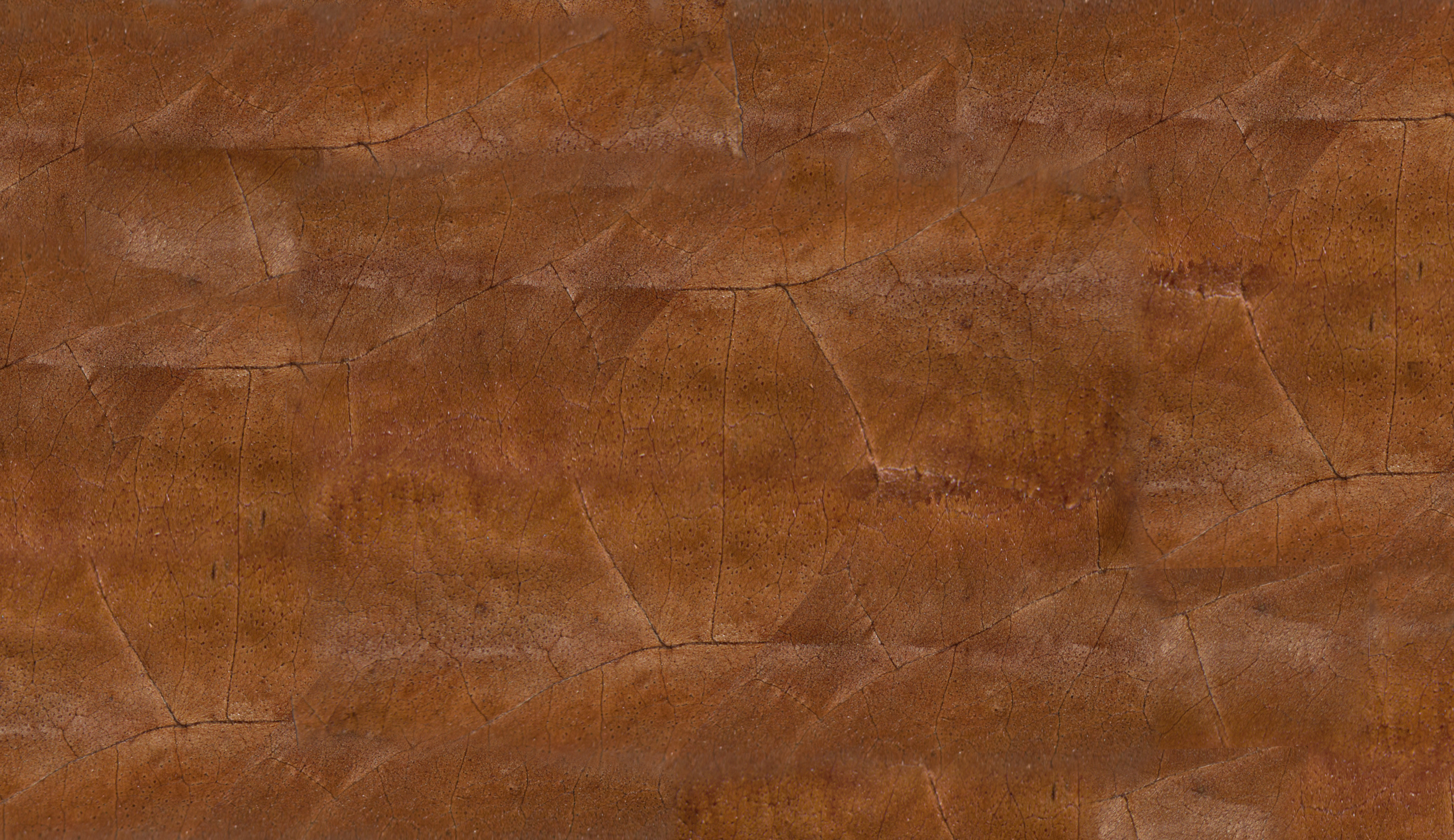
The Cameroonian wrapper used in the Hemingway series is selected from among the most uniform leaves available—a particularly strict requirement for this format, where the wrapper must conform to complex curves (the tapered head, the central bulge, and the foot) without cracking or splitting. A leaf that is too dry, too thin, or has poorly fermented secondary veins cannot properly wrap a perfecto. The selection criteria are therefore even more demanding than for a straight-cut cigar.
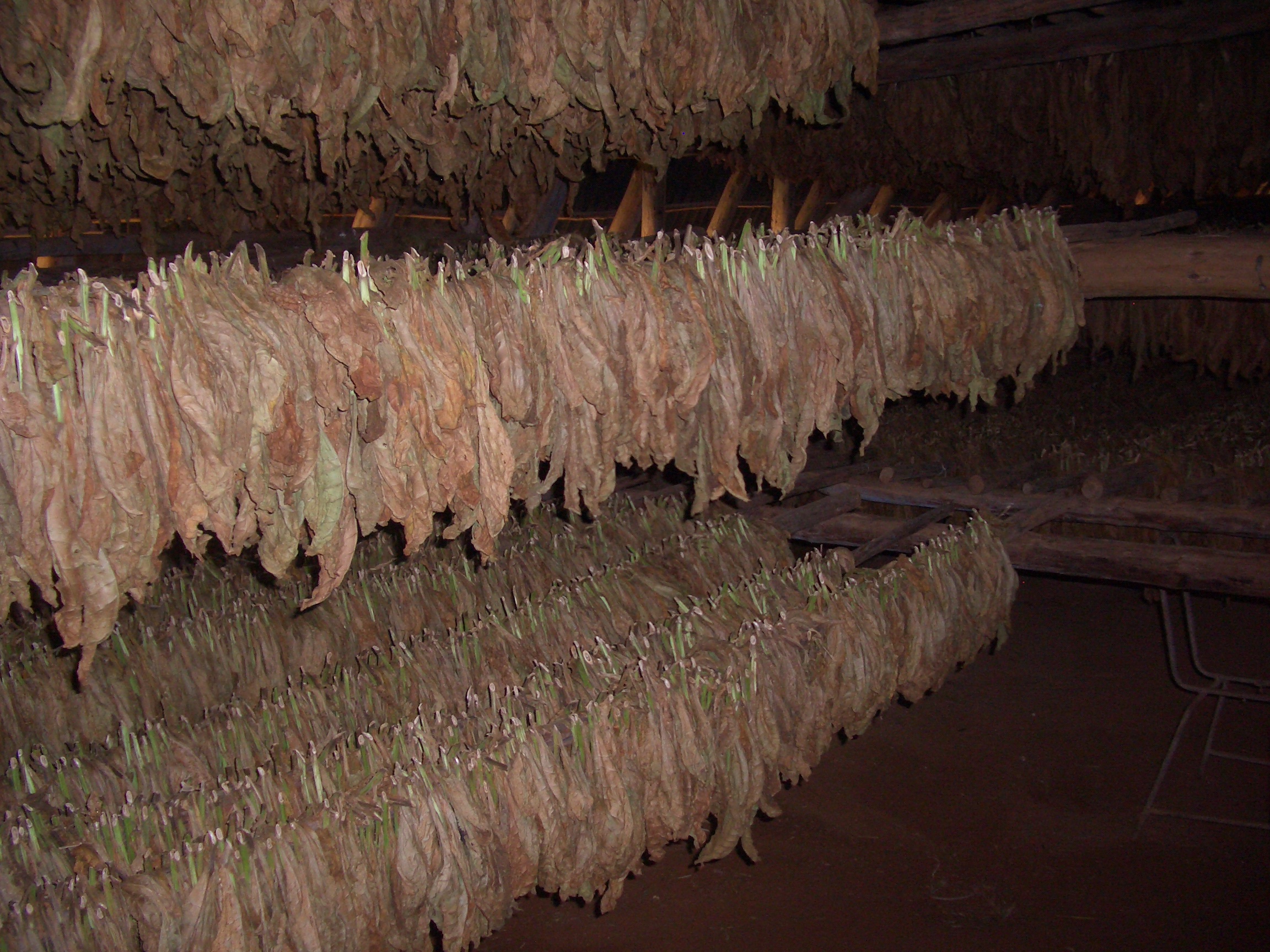
The Dominican blend that makes up the Hemingway combines seco, volado, and ligero leaves grown on the Château de la Fuente plantation. The intended flavor profile is lighter and more aromatic than that of the Don Carlos—medium in intensity, with an approachability that makes the Hemingway series an excellent entry point into the Fuente universe for aficionados discovering the brand. The blend is aged for an additional six months in cedar-lined aging rooms after rolling—an extra step that few manufacturers take with formats of this level of technical complexity.
After rolling, each Hemingway cigar is aged for an additional six months in cedar-lined rooms—a final aging process that harmonizes the flavors and stabilizes the burn.
The taste is remarkably fresh and precise. On the palate, the Cameroonian blend releases its characteristic notes—a light sweetness, almost honeyed, with a woody cedar softness. The first third develops notes of roasted nuts and creamy coffee, carried by a delicate roasted aroma that is the hallmark of well-aged seco leaves. In the second third, pastry-like spices emerge—cinnamon, a hint of nutmeg—accompanied by a citrus note that awakens the palate. The finish is long, sweet-spicy, with a lingering aftertaste that lasts several minutes. At no point does the cigar seek to impose itself through strength: it charms with its finesse, making it particularly well-suited for a morning or early afternoon smoke.
The vitolas in the series: from Short Story to Masterpiece

The Hemingway series now includes several vitolas, each named after a key milestone in a writer’s literary career. The order of the series also corresponds to the size of the cigars—from the shortest to the largest—and each size highlights a different nuance of the blend as it evolves toward the perfecto.
The Short Story (4″ x 42/49) is the smallest and most popular cigar in the line. Its brevity is deceptive: in twenty-five to thirty minutes of smoking, it delivers an aromatic profile of astonishing precision, especially in the tapered cap, where the first puffs possess an intensity and complexity that never fail to surprise newcomers. It is one of the short cigars most frequently cited by connoisseurs as the absolute benchmark for the format—a technical feat in a tiny frame.
The Signature (6″ x 47), the line’s original vitola, remains for many the most balanced expression of the Hemingway blend. The length allows for a fully developed three-act progression, and the moderate ring gauge gives the Cameroonian wrapper a central role in the cigar’s flavor profile throughout. This is the vitola that a perfecto enthusiast will choose to discover the series in its most representative form.
The Work of Art (4⅞” x 46/60) is the creative outlier of the line—a short format with a very wide ring gauge in the middle section, featuring pronounced curves that make it one of the most visually striking cigars in the entire Fuente lineup. Its shape demands exceptional technical mastery from the torcedor: maintaining the integrity of a wrapper on such a sinuous profile requires perfectly calibrated movements. On the palate, this format develops an intensity and aromatic density unusual for such a short cigar. It was featured in Cigar Aficionado’s Top 25 in 2018, which propelled its popularity among a new generation of aficionados.
The Masterpiece (9″ x 52) brings up the rear in a display of power and length that surpasses most other formats available on the market. Over an hour of enjoyment for the leisurely smoker, an aromatic progression that unfolds in four or five distinct stages, and a seemingly endless finish. The Masterpiece is reserved for special occasions and for smokers who know exactly what they’re looking for: a cigar that lasts, that evolves, and that cannot be smoked absentmindedly.
For Great O Legacy Distribution’s retail partners, the Arturo Fuente cigar series represents a distinct segment within the Fuente catalog—one catering to customers seeking an exceptional format, a tasting experience that stands apart from market standards, and a piece of craftsmanship as much as a cigar to smoke.
The expertise of cigar rollers: rolling a perfecto—an art form in its own right
Behind every Hemingway cigar lies a production process that few consumers fully appreciate. Rolling a high-quality perfecto is not a skill that can be mastered in a few months—it is a craft that is honed over years of daily practice, refinement, observation, and oral tradition passed down through generations of torcedores.
Each roller assigned to the Hemingway line is limited to about 75 cigars per day —whereas a maker of coronas or robustos can produce several hundred. This slower pace demands a rigorous selection process: since daily production is limited, every cigar must be perfect.
The challenge of rolling a Hemingway perfecto lies in coordinating three steps simultaneously: controlling the density of the filler to ensure a consistent draw despite variations in diameter, adjusting the tension of the wrapper as it follows the changing curves without creating creases or tension, and finishing the foot with a neat, centered cap that preserves the integrity of the filler until the cigar is lit. These three steps must be performed in a specific order, within a limited time before the wrapper leaf begins to dry out and lose its natural elasticity.
At Tabacalera A. Fuente, the torcedores assigned to the Hemingway line are part of a select group of specialists who do not switch roles with those on the regular lines. The refinement of their technique depends on the daily repetition of the same format—a torcedor who alternates between perfectos and robustos never develops the same level of mastery as one who spends every workday on the same demanding format. It is a work organization philosophy that sacrifices flexibility but guarantees a consistency of production that few other manufacturers can claim for such complex formats.
Hemingway and the premium market: a unique and sustainable position
Forty years after its launch, the Hemingway series occupies a segment of the premium cigar market that is almost exclusively its own. A few other manufacturers have attempted to offer perfectos of comparable quality—most have given up due to the complexity of production and the difficulty of maintaining consistent standards over time. Arturo Fuente merely launch a line of cigars: the company created a market segment, trained its specialists, developed a dedicated supply chain for Cameroonian wrappers suited to this format, and built a reputation that has been sustained by forty years of excellence.
Since 1983, the Hemingway series has been produced continuously at the Tabacalera A. Fuente in Santiago—an exceptional run for a line of premium figurado cigars.
The popularity of the Short Story perfectly illustrates the line’s ability to appeal to a wide range of audiences. It is both the cigar for the curious novice—easy to enjoy, less intimidating than the Classic or the Masterpiece—and for the expert who wants a short but high-quality break between meetings. This versatility is rare in the figurado segment, which typically caters to an audience of seasoned aficionados.
The inclusion of the Work of Art in Cigar Aficionado’s Top 25 in 2018 sparked new demand for a format that many buyers were unfamiliar with. This type of effect—editorial recognition that broadens a cigar’s audience—is one of the most powerful drivers in the premium cigar industry, and Arturo Fuente benefits Arturo Fuente regularly thanks to the consistent quality of its entire lineup.
Hemingway Untold Story Maduro: a dark and powerful variation

The Hemingway family isn’t limited to Cameroonian wrappers. The Untold Story Maduro variant uses the same Dominican filler but wraps it in a maduro wrapper—a leaf that has been fermented longer, developing natural sugars and a radically different aromatic depth. The result is a more powerful cigar with a richer finish, featuring notes of dark chocolate, espresso, and tanned leather that the Cameroonian wrapper does not express with the same intensity.
This Maduro alternative meets the growing demand from cigar enthusiasts who prefer more intense cigars—those who appreciate the Perfecto’s evolving flavor profile but seek greater strength and complexity on the finish. It also allows retailers to offer the Hemingway series to a broader segment of their clientele—those who might find the Cameroon version too mild for their usual tastes.
A maduro wrapper is a tobacco leaf that has undergone extended fermentation—several months at high temperatures—which breaks down complex sugars and softens harsh tannins. The result is a darker wrapper that is milder in nicotine but richer in flavors of chocolate, coffee, and deep leather.
FAQ — Arturo Fuente Hemingway Series
Q: Why does the Hemingway series use only the perfecto format?
Carlito Fuente launched the Hemingway series specifically to revive this disappearing format. At the time of its launch in 1983, no one was mass-producing perfectos at this level of quality. For Carlito, the decision was as much philosophical as it was commercial: to preserve an ancestral craft that the mechanization of the industry threatened to erase forever. Today, the perfecto format is inseparable from the Hemingway identity—to remove this format would be to remove the soul of the line.
Q: Which Hemingway format is best suited for a novice exploring the series?
The Short Story (4″ x 42/49) is the ideal starting point. Its short smoking time (25–30 minutes) allows you to get acquainted with the format and flavor profile without a significant time commitment. The Signature (6″ x 47), the series’ original vitola, is recommended for the second experience—its length allows the Perfecto’s aromatic progression to fully unfold in three distinct acts. The Work of Art is ideal for the curious, drawn to visually striking formats.
Q: Is there a difference in flavor profile between the Cameroon version and the Maduro version?
Yes, a significant one. The Cameroon version is medium-bodied, with notes of cedar, roasted nuts, creamy coffee, and mild spices—accessible and elegant. The Maduro version (Untold Story) is more powerful and richer, with dominant notes of dark chocolate, espresso, and tanned leather. The inner filler is identical in both cases; it is the wrapper that determines the difference in profile.
Q: How do you properly light a Hemingway Perfecto?
The closed foot of the Perfecto requires a slightly different preparation than straight-cut cigars. First, pierce or cut the foot plug using a punch or the corner of a straight-cut cigar cutter—without damaging the wrapper. Some smokers prefer to lightly char the tip of the foot before lighting it to ensure even burning from the very first puffs. The tapered head can be cut very precisely with a V-cut to maximize the concentration of aromas in the first few puffs.
Q: Why is the Hemingway difficult to produce consistently in large quantities?
The Perfecto format requires a level of technical mastery from the torcedores that very few manufacturers can maintain on an industrial scale. Each cigar must be hand-rolled with surgical precision to create three distinct sections simultaneously: the tapered head, the central bulge, and the closed foot. The production rate is approximately two to three times slower than for a straight-cut cigar of comparable size. Tabacalera A. Fuente maintains this standard by assigning its most experienced rollers to this line and limiting their daily output.
Q: When is the best time to smoke a Hemingway?
The Hemingway series—especially the Cameroonian version—is ideal for a morning or early afternoon smoke, when the palate is fresh and receptive to its delicate notes. The Short Story is perfect for a quick midday break. The Masterpiece or the Classic call for a quiet evening, patience, and ideally a pairing with a slightly oaked agricultural rum or a low-acidity specialty coffee—pairings that amplify the cigar’s nutty and spicy notes without masking its finesse.
Conclusion: Hemingway—When Form Becomes the Message
Ernest Hemingway said that the greatness of a text lies in what it does not say—the iceberg theory, where seven-eighths of the meaning remains below the surface, visible only to those who know how to look. There is something Hemingway-esque about the Fuente series that bears his name. What you see—a cigar with elegant curves, wrapped in an oiled Cameroonian wrapper, bearing a literary name on its band—represents only the surface of what you hold between your fingers.
Behind the scenes lie years of patient aging in climate-controlled warehouses in Santiago. There are the hands of a torcedor who has been repeating the same motion for fifteen years until achieving consistent perfection. There is Carlos Fuente Sr., who scours a warehouse in Florida to bring back wooden molds that have been forgotten for decades. There is Carlito, a young man who has recently settled in the Dominican Republic, who is betting that aficionados around the world are ready to rediscover a format that the industry had deemed too difficult to keep alive.
Forty years later, that gamble has paid off beyond all expectations. The Hemingway series is no longer just a line of cigars—it is a living testament to the fact that artisanal craftsmanship can withstand industrial pressure, that form and substance can be inseparable, and that patient excellence always finds its audience in the end. For partner retailers who carry this line in their humidors, it sends a clear message to their most discerning customers: here, we understand the difference between a cigar and a work of art.

