

The first Arturo Fuente cigar Arturo Fuente light has a lasting impact on your perception of the brand. A poor choice—a vitola that’s too large, an intensity that’s off, or a line that’s too technical for a palate not yet ready for it—can be off-putting, whereas a wise selection would have won you over. The Gran Reserva Natural, and more specifically formats like the Chateau Fuente or the Rothschild, is the safest, most honest, and most revealing entry point into the brand’s expertise. The Hemingway Short Story line follows closely behind, for those who wish to explore figurados from the start. Everything else—Don Carlos, Añejo, Opus X—is a conversation for another time.
This guide is intended for retailers seeking to provide their customers with precise guidance, as well as any professional wishing to understand the inner workings of the Arturo Fuente product line Arturo Fuente better promote it.
Arturo Fuente ., a 24-year-old Cuban immigrant, founded his cigar factory by importing Cuban tobacco. The company employed up to 500 workers before the great fire of 1924, which halted production for 22 years.
Understand the logic behind the product lines before making a recommendation

Arturo Fuente a monolithic brand. It is a pyramid. At the base are accessible, consistent cigars—the Gran Reserva, the Chateau Fuente—designed to be smoked regularly, without a special occasion or a ritual of anticipation. At the top are limited editions that require a prior connection to the brand to be fully appreciated. In between, a series of lines representing varying levels of intensity, complexity, and rarity.
It is this structure that makes the first purchase difficult. A customer who walks in intending to “try” Arturo Fuente usually Arturo Fuente know which line he’ll end up with. He may be familiar with the name Opus X, having heard it in conversation or read about it in a magazine. He figures that’s where he should start—since it’s the most famous. This line of thinking is understandable, but it’s almost always counterproductive.
The Opus X, released in 1995 after years of mastering the Dominican terroir and a series of botanical setbacks, is not a cigar for beginners. Its filler is robust, its Rosado wrapper from Vega Real demands a seasoned palate, and its complexity—which unfolds in several stages throughout the smoking experience—rewards prior experience. Serving it to someone who has never smoked Arturo Fuente is like exposing a sommelier to a first-growth Pétrus when he has no frame of reference for what Merlot is capable of.
The logic behind the lines generally follows this progression in terms of intensity and complexity: Gran Reserva → Chateau Fuente → Hemingway → Don Carlos → Añejo → Opus X. At each level, the wrapper often changes, the filler gains depth, and the aging periods are extended. And the smoker who has followed this path in order understands each line all the better because they have memorized the previous ones.
For a professional in the industry, understanding this pyramid means understanding how to build a long-term relationship with a customer. The first cigar we recommend to them isn’t a sale—it’s the start of a journey.
The Gran Reserva: An Introduction to Our House Style
The Gran Reserva is the flagship cigar in Arturo Fuente lineup. Produced entirely at the Tabacalera Fuente in the Dominican Republic, it embodies the brand’s core philosophy: long-aged Dominican tobaccos, flawless construction, and consistency from box to box—a veritable industrial miracle in an industry where craftsmanship reigns supreme. Every cigar passes through expert hands—Fuente’s torcedores are among the most highly trained in the world, working in facilities that have been wholly family-owned for decades.
The annual production volume of Tabacalera Fuente in the Dominican Republic, where the Gran Reserva is one of its most iconic lines—a testament to a consistency in production rarely matched in the world of premium cigars.
The Gran Reserva Natural features a Cameroonian wrapper, one of the most sought-after wrappers for affordable cigars. The Cameroonian leaf lends this cigar a natural smoothness, a slightly sweet richness, and notes of cedar and toasted nuts that are evident from the very first puff. The draw resistance is naturally well-balanced: neither too loose nor too tight. The burn is even, producing a dense gray ash that holds up as expected.
In terms of strength, the Gran Reserva Natural clearly falls into the light-to-medium range. It’s not overpowering; it’s inviting. For someone new to the brand, or for an occasional smoker who isn’t used to cigars with a high ligero content, it’s an ideal introduction: enough character to showcase the craftsmanship, yet mild enough not to turn anyone off.
Carlos Fuente Sr. bought the family cigar factory from his father for exactly $1 in 1958—acquiring $1,161 in assets and zero debt. After the Nicaraguan factory burned down in 1979, he mortgaged his home to finance the move to the Dominican Republic. It is this obsessive investment in aged tobaccos that is the foundation of Gran Reserva’s consistent quality today.
Among the vitolas available in the Gran Reserva line, the Chateau Fuente (approximately 4¾ × 50) is the go-to choice for a first smoke. Compact and lasting between 35 and 45 minutes, it offers a full appreciation of the blend without tiring the palate or demanding two hours of your attention. The Rothschild (4½ × 50) is even shorter—perfect for a quick break or for a first taste in a professional setting where time is limited. For customers who appreciate a longer cigar but wish to stay within the same flavor profile, the Churchill (7¾ × 52) reveals a beautiful evolution on the palate: slightly more complex in the second third, the finish lingers with hints of soft leather.
The Maduro version of the Gran Reserva deserves special mention. The Connecticut Broadleaf wrapper, darker and more fermented than the Cameroon, offers notes of dark chocolate and molasses that immediately appeal to smokers with a taste for sweeter profiles. It remains approachable in terms of strength, but the perception of roundness and body is more pronounced. For a customer who has already smoked maduros from other brands and wants to discover Fuente’s take on the style, this is a great place to start.
To fully experience the Arturo Fuente Gran Reserva collection, the line offers a variety of sizes and wrappers to suit every preference.

Format: the first filter—and one that’s often overlooked

Even before discussing the range or intensity, it is the format that determines the quality of the experience. A novice smoker who lights up a 7-inch Churchill will smoke it quickly, overheat the cigar, lose the subtle aromas, and end up with a harsh finish that in no way reflects the cigar’s quality. The same smoker with a Robusto or a Petit Corona will have a radically different experience: more concentrated, more controlled, and more balanced.
The relationship between a cigar’s length and smoking time is a matter of physics: the longer the cigar, the farther the smoke travels before reaching the mouth, and the more it cools down. A long cigar smoked too quickly does not benefit from this cooling effect—the accumulated heat degrades the aromas. This is why experts always recommend that beginners start with compact sizes.
The ring gauge —the diameter—plays a different role. A wider ring gauge generally offers an easier draw and a milder smoke, but also a more complex flavor profile, since the blend can incorporate more distinct leaves. For a beginner, a ring gauge between 46 and 52 is ideal: open enough for an even burn, but not so wide that the complexity becomes overwhelming.
Smoking a cigar too quickly—with less than 30 seconds between puffs—causes the internal temperature to exceed 70°C, destroying the delicate aromas. Experts recommend taking a puff every 30 to 60 seconds to maintain ideal combustion and allow the wrapper to fully express itself. This is often the only difference between an “average” cigar and an “exceptional” one.
The must-try sizes for your first experience with Arturo Fuente
| Format | Length | Ring Gauge | Estimated duration | Profile |
|---|---|---|---|---|
| Chateau Fuente | 4¾” | 50 | 35–45 min | Ideal, compact, and fully equipped |
| Rothschild | 4½” | 50 | 30–40 min | The shortest one, perfect for beginners |
| Little Corona | 5″ | 38 | 30–40 min | Narrower, more concentrated notes |
| Churchill | 7¾” | 52 | 60–75 min | For experienced smokers only |
| Hemingway Short Story | 4″ | 49 | 25–35 min | Figurado, perfect for discovering biker jackets |
The question isn’t which one is “the best,” but which one suits the smoker you’re dealing with. A customer in a hurry who smokes only occasionally will get a better sense of the brand with a Rothschild than with a Churchill, which they’ll just rush through.
The wrapper: the first flavor dimension to explain
The wrapper is the outer leaf of the cigar—the one that envelops everything else, giving it its color, some of its aromas, and much of its visual character. At Arturo Fuente, three main wrapper families define the lineup, each steering the profile in a different direction.
The Cameroun Natural wrapper is the brand’s signature in its accessible lines. A chestnut brown with mahogany highlights and a slightly velvety texture, it offers an aromatic profile unique in the cigar world: a natural, almost candied sweetness blended with light floral notes, cedar, and occasionally a hint of hazelnut. It is naturally sweet without ever being syrupy. For a novice, this wrapper is reassuring: it doesn’t sting, it isn’t harsh, and it unfolds on the palate without any harshness.
The Connecticut Broadleaf Maduro wrapper is the visual and flavor opposite: very dark, almost black, slightly oily to the touch, with a long fermentation process that transforms the natural sugars into notes of chocolate, coffee, licorice, and sweet tobacco. It remains mild in terms of nicotine, but offers a more pronounced body. Ideal for customers who enjoy sweet, rounded profiles, who have smoked maduros from other producers and are looking for the Dominican version.
The Sun Grown (or Rosado) wrapper is more intense and peppery, with leather and earthy notes that lend it a more masculine and robust character. In the Gran Reserva line, it is the strongest cigar in the range. In lines such as the Magnum R Rosado or the OpusX Rosado, it reaches a level of complexity that is no longer suitable for beginners.
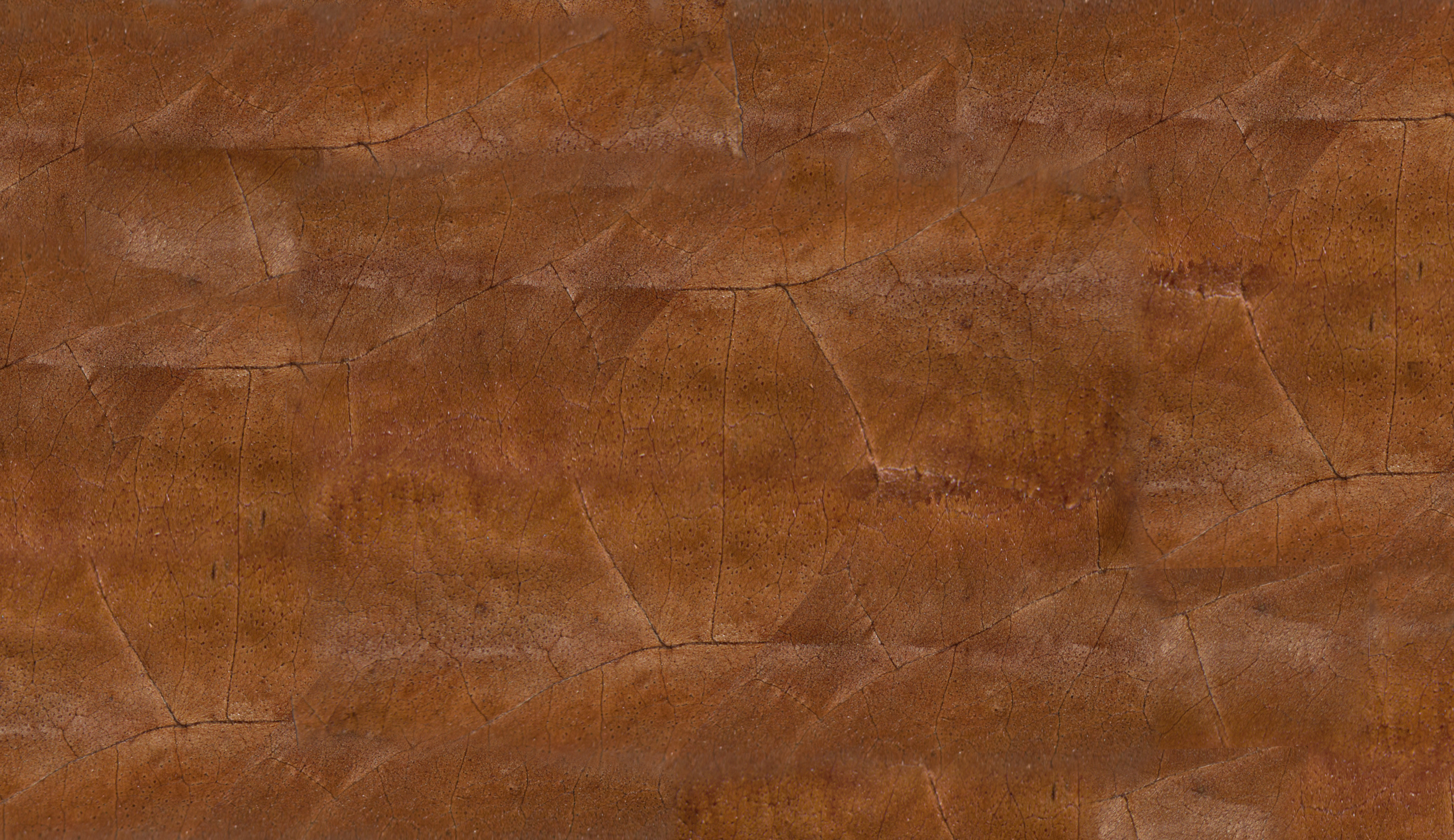
The recommendation is simple: for your first experience with the brand, start with Natural or Maduro. Save Sun Grown for your second or third cigar, once you’ve become familiar with the brand’s profile.
The Hemingway Collection: The Art of the Perfecto for the Curious

The Hemingway line represents something quite rare in the world of mass-market cigars: a collection consisting exclusively of figurados —perfectos—which require a level of skill from the torcedor far greater than that needed to roll a standard corona. A perfecto is a cigar that tapers at both ends, forming a point at the foot and an ogival shape at the head. This construction directly influences the burn and the concentration of aromas, particularly at the start of the smoke, where the narrower diameter concentrates the first puffs.
The Hemingway line,Arturo Fuente first major success during his time at the company, was designed to break with market conventions by focusing on exclusive figurado formats—a bold move that would go on to make it one of the most sought-after lines of perfectos in the world.
Named in honor of Ernest Hemingway, this line was created to pay tribute to a tradition of hand-rolled cigars often reserved for special occasions. The wrapper used is the same Cameroon leaf as on the Gran Reserva Natural, but the filler tobacco is aged for an additional six months before rolling, which refines and deepens the flavors.
On the palate, the Hemingway profile stands out from the Gran Reserva with a more pronounced complexity: notes of dark chocolate, freshly ground coffee, and mild spices linger more deeply, with a longer finish and a subtle, lingering sweetness. The strength remains medium—it’s a range that demands attention without ever becoming challenging.
The Hemingway Short Story is the perfect entry point into this line: measuring 4 inches with a 49 ring gauge, it takes 25 to 35 minutes to smoke and offers a full taste of the Hemingway style without requiring an hour-long commitment. For a customer who has already smoked a few Gran Reservas and wants to step it up a notch, this is the next cigar to recommend. The Hemingway Signature (6″ × 52) is perfect for those who want to explore the cigar’s full evolution: it opens with light notes, develops more depth midway through, and finishes with a long, spicy aftertaste.
Don Carlos and Añejo: the next steps

This is not to disparage these lines—Don Carlos and Añejo are among the most remarkable cigars ever produced in the Dominican Republic. But these are cigars for smokers who are already familiar Arturo Fuente. Recommending them right off the bat to someone new to the brand is to short-circuit the learning process.
The Don Carlos is Carlos Fuentes Sr.’s personal line—it was the cigar he smoked himself, a blend that reflects his deep-seated taste preferences. The Cameroon wrapper is similar to that of the Gran Reserva, but the blend is more complex, spicier, with a distinctly fuller body. Notes of pepper, cedar, and leather are more pronounced, and the finish is longer and more intense. For a smoker beginning to build their reference palette with Fuente, the Don Carlos represents a beautiful natural progression—but only after, not before.
The Añejo is a distinct line, crafted around tobaccos aged in Cognac barrels—hence its name. This aging method adds a layer of malty sweetness and a rounded, alcoholic richness that is immediately noticeable. The blend is stronger, the profile darker; notes of dark chocolate and coffee mingle with almost spirits-like accents. It is a cigar for special occasions, for experienced smokers, for those who appreciate the complexity of peated whiskies or VSOP cognacs. By no means a first Arturo Fuente.
Common mistakes to avoid
A few common mistakes regularly spoil the experience of discovering the brand. Here they are, so that savvy retailers can anticipate them.
The Opus X was named Cigar of the Year by Cigar Aficionado in 2005, and the Belicoso XXX was ranked third in the world by the same publication in 2010. This global recognition explains why it is often the first name that comes to mind for newcomers—and why it is rarely the best first choice for someone just discovering Arturo Fuente.
Going straight for the OpusX is the biggest mistake. The OpusX is produced in very limited quantities, made entirely from Dominican tobaccos, with its Rosado wrapper representing one of the rarest botanical achievements in the modern cigar world. Its strength, complexity, and intensity make it an exceptional cigar—one that requires prior experience to be fully appreciated. Someone who approaches it without a foundation will not get what it deserves.
Choosing a cigar that’s too long is the second mistake. As mentioned earlier, a Churchill smoked by an inexperienced smoker produces excessive heat and masks the qualities of the wrapper. Patience is a skill that can be learned.
Smoking too quickly is directly related to the size of the cigar: taking a puff every 30 to 60 seconds is ideal for maintaining a temperature that preserves the delicate flavors. If you smoke faster than that, the cigar burns too quickly, the smoke becomes harsh, and the subtle flavors are lost.
A cigar that hasn’t been stored properly can ruin even the best of starts. An Arturo Fuente has dried out—even slightly—will smoke differently: tight draw, uneven burn, flat flavors. Storing cigars at 65–70% relative humidity, at 18–20°C, isn’t a luxury. It’s a basic requirement for the liga to perform as intended.
Not the best combination, after all. A strong espresso, for a smoker who isn’t used to tobacco, amplifies the intensity and can cause dizziness. A long coffee, cold milk, sparkling water, or a smooth bourbon are much better choices for a first taste.
How to pair your first Arturo Fuente
The choice of beverage is often underestimated when enjoying a cigar for the first time. Yet a poor pairing can distort the profile of an excellent cigar, while the right pairing enhances and brings out its true character.
For an Arturo Fuente Reserva Natural (Cameroon wrapper), the most harmonious pairings are with light, slightly sweet beverages: filter coffee or café au lait, unsweetened black tea, or a high-quality aged rum served over ice. The natural sweetness of the Cameroon wrapper pairs particularly well with the vanilla notes of a smooth American bourbon, such as Maker’s Mark or Buffalo Trace.
For a Hemingway, the chocolate and coffee notes in the Liga naturally call for a long espresso or a high-quality hot chocolate. A VSOP cognac can work as well, if the smoker is used to it. Avoid tannic red wines: the bitterness of the tannins clashes with the tobacco’s natural pepperiness.
Temperature and smoking conditions are also important. A cigar smoked in strong winds loses its ability to express itself—the burn accelerates unintentionally. A calm, wind-protected environment with an outside temperature between 15 and 25°C represents the ideal conditions. The morning or late afternoon—before the evening meal—are the times when the sense of smell is most acute.
To gain a deeper understanding of the entire catalog, the comprehensive guide to Arturo Fuente product lines provides a detailed overview of all available lines.
FAQ — First Arturo Fuente Cigar
What’s the best Arturo Fuente start Arturo Fuente if you’ve never smoked a premium cigar before?
The Gran Reserva Natural in the Chateau Fuente or Rothschild size is the unanimous choice of professionals. Its naturally mild Cameroonian wrapper, light-to-medium strength, and well-balanced burn make it the ideal cigar for discovering the brand’s style without overwhelming the palate. It offers a perfect introduction to what makes a top-tier Dominican cigar before moving on to more intense lines.
Should you start with a Natural or a Maduro cigar from Arturo Fuente
Both are valid starting points, depending on the smoker’s taste preferences. The Cameroon Natural wrapper is more floral and slightly sweet, with notes of cedar and nuts. The Connecticut Broadleaf Maduro wrapper is more chocolatey, rounder, and almost candied. For someone who enjoys coffee or dark chocolate, the Maduro version may prove immediately appealing. For someone without a specific preference, starting with the Natural is a more neutral choice and better showcases the Fuente profile.
Is *The Hemingway Short Story* suitable for beginners?
Absolutely, provided you already have some experience with tobacco or have smoked a few mild cigars before. The Short Story is a compact vitola (4″ × 49); the perfecto construction is a bit more demanding in terms of draw—you have to cut it at the right height so as not to block the opening—but once lit, the profile is mild, medium-bodied, and rich in aromas without being harsh. It’s often the cigar that converts lovers of fine construction into fans of figurados.
When is the right time to switch to OpusX?
Once you’ve smoked at least five or six Arturo Fuente cigars and started to distinguish the nuances between the lines: the smoothness of the Gran Reserva, the spiciness of the Don Carlos, the roundness of the Añejo. The Opus X rewards a seasoned palate. Its Rosado wrapper is one of the rarest and most complex in the world of Dominican cigars—passing it on to someone who doesn’t yet have a frame of reference is a waste in the most literal sense.
Would you recommend an Arturo Fuente someone who usually smokes Cuban cigars?
Yes, and it’s often a pleasant surprise. Fuente’s Dominican style is distinct from the Cuban style: less earthy, less herbaceous, smoother, and more consistent from box to box. A smoker of Montecristo No. 4 or H. Upmann Half Corona will appreciate the Hemingway Natural for its smoothness and its figurado construction—two areas where Fuente excels as much as Havana, but in a different way. Starting with the Gran Reserva may seem too simple for an experienced Cuban cigar smoker; in that case, it’s better to start directly with the Don Carlos or the Hemingway Signature.
Which blend would you recommend for someone trying an Arturo Fuente for the first time Arturo Fuente a professional setting?
A filter coffee or a long coffee remains the most universal and unobtrusive pairing—it doesn’t interfere with the cigar’s aromas and is suitable for any occasion. During professional tastings, where alcohol may be out of place, a light sparkling water helps cleanse the palate between puffs and allows you to discern the aromatic developments with greater precision. Avoid acidic fruit juices or sugary commercial drinks at all costs, as they mask the subtlety of Dominican tobaccos.
Conclusion
Choosing your first Arturo Fuente lays the foundation for a relationship that can last for years. The brand isn’t built for a one-time purchase—it’s built for loyalty, for the journey, for that moment when a smoker realizes he’s grown and that the next level of cigars, which he wouldn’t have been able to appreciate six months earlier, reveals something new to him.
For a retailer, this is exactly what needs to be sold. Not a single cigar, but a progression. The Gran Reserva Natural as a starting point, because it is honest, precise, and reflects the Fuente style without frills. Then the Hemingway, to discover how the figurado construction changes the experience. Then the Don Carlos, to understand what controlled intensity can bring. And one day, the Opus X—not as a culmination, but as a confirmation of everything the Fuente brand is capable of when it pushes its philosophy to its most demanding limits.
This path exists. It is consistent, gradual, and well-structured. Arturo Fuente the foresight to create a line that allows for this natural progression, guiding the smoker without rushing them. It is one of the few premium brands where the entry-level cigar is as representative of the brand as the rarest cigar—simply at a different level of complexity.
The Gran Reserva Natural embodies the same philosophy as the Opus X Robusto: carefully selected tobaccos, expert hands that blend them, patient aging, and a consistent construction that leaves nothing to chance. The Fuente family has never considered quality to be the exclusive domain of the high end. This is perhaps their most profound distinction. And that is why anyone can start here, regardless of prior experience, and find something authentic.

